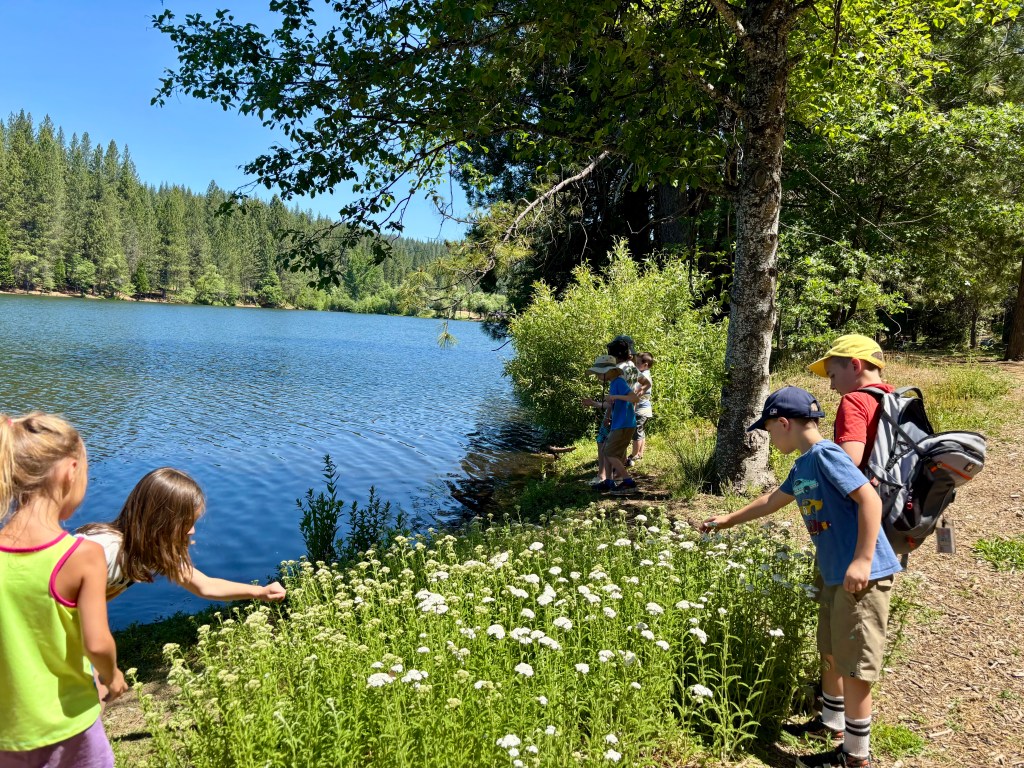
Navigating free play is a critical step in childhood development. For young people, play isn’t separate from learning: it is learning. Play is found in nearly every species across the animal kingdom. You know this from watching your puppy chase a leaf tumbling in the wind or if you’ve been lucky enough to catch a group of young otters rumbling at the zoo. It’s an established fact that the internet was created for sharing videos of cats and kittens playing! Humans, as mammals, require play for our brains to mature the way that they evolved to.
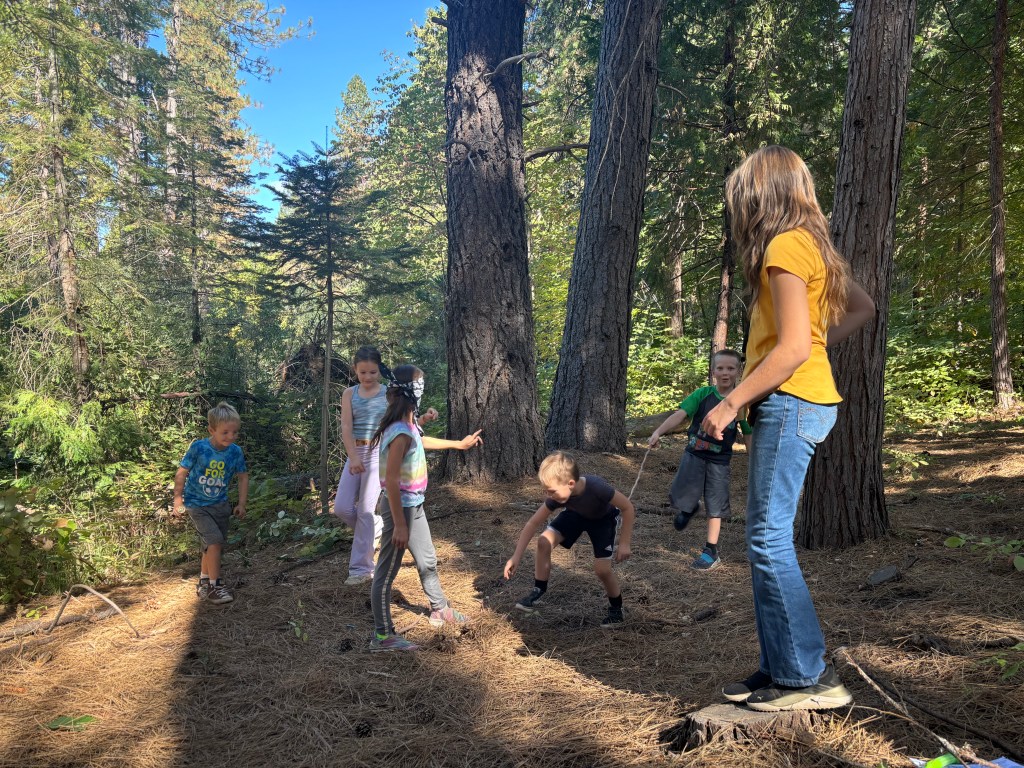
Jonathan Haidt summarizes the natural progression of brain maturation through play in his book, The Anxious Generation. Toddlers begin by awkwardly exploring their surroundings, climbing, running, and testing their limits until they gain control over their movement in a complex environment. Once they master these basic physical skills, they progress to more structured group games like tag, hide-and-seek, and sharks and minnows. As they get older, verbal play – such as gossip, teasing, and joking – becomes a way to learn the subtleties of communication and how to repair relationships in real time when their words don’t land as expected. Over time, kids develop the social skills needed for life as part of a community, such as self-regulation, joint decision-making, and learning how to accept loss in a game.
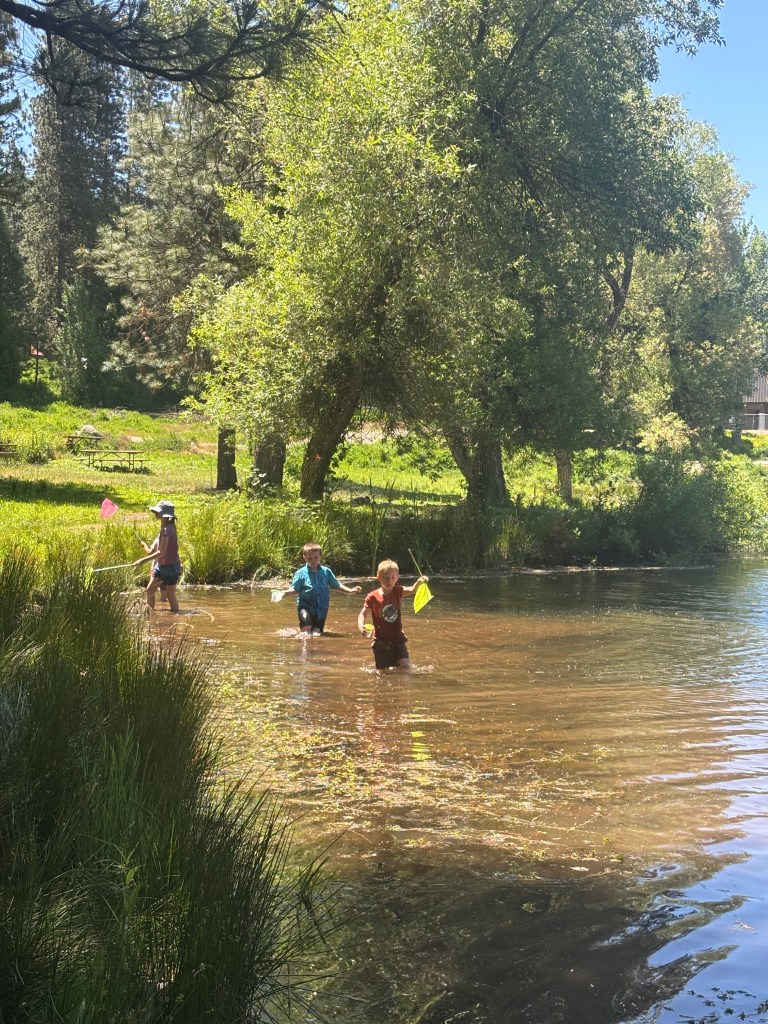
According to Haidt, the healthiest and most beneficial kind of play is physical play with other children, particularly outdoors and with a mix of ages. Physical play involving some risk is crucial for teaching children how to protect themselves and others. They learn valuable lessons, like how to avoid injury while wrestling, engaging in pretend sword fights, or negotiating a turn on a seesaw. However, when teachers, parents, and coaches intervene, play becomes less free, less playful. And importantly, less beneficial, as we adults struggle to resist the temptation to direct and overprotect the children in our charge.
Haidt goes on to assert that a “key feature of free play is that mistakes are generally not very costly.” I believe the rise of anxiety in the high school classroom over the past decade, which I have witnessed firsthand, is the direct consequence of an overly structured childhood. Mistakes as a teen are costly, both socially and academically. The first time a 9th grader does poorly on a test or makes a foot-in-the-mouth kind of comment when there is no parent there to step in to smooth things over is genuinely distressing when that student doesn’t have the skill set available to address it. Haidt explains, “It is in unsupervised, child-led play where children best learn to tolerate bruises, handle their emotions, read other children’s emotions, take turns, resolve conflicts, and play fair. Children are intrinsically motivated to acquire these skills because they want to be included in the playgroup and keep the fun going.”
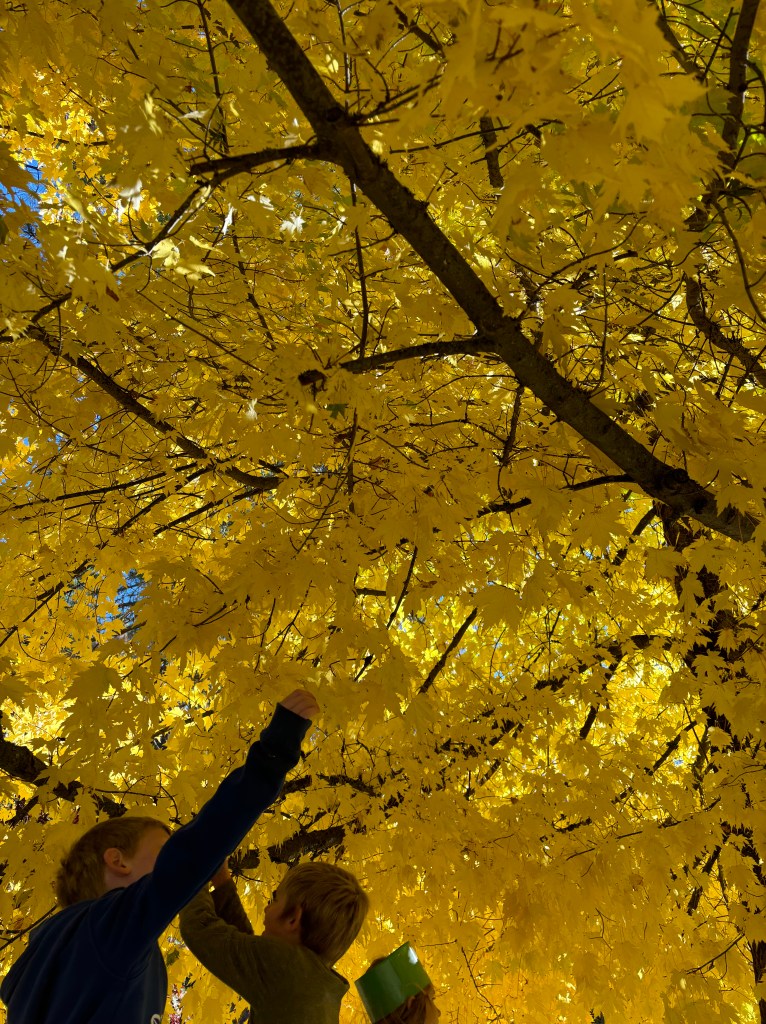
Understanding the value of free, child-led play is one thing. Creating opportunities for it is another. This blog is designed to bridge that gap, providing a rich collection of activities that encourage exploration, creativity, and risk-taking in the outdoors. Each activity is a doorway into self-directed learning, giving children the freedom to experiment, problem-solve, and engage with the natural world on their own terms. By offering structured yet flexible ideas, I hope to provide families and educators with practical tools to make outdoor, hands-on, imaginative play a regular part of our children’s lives.
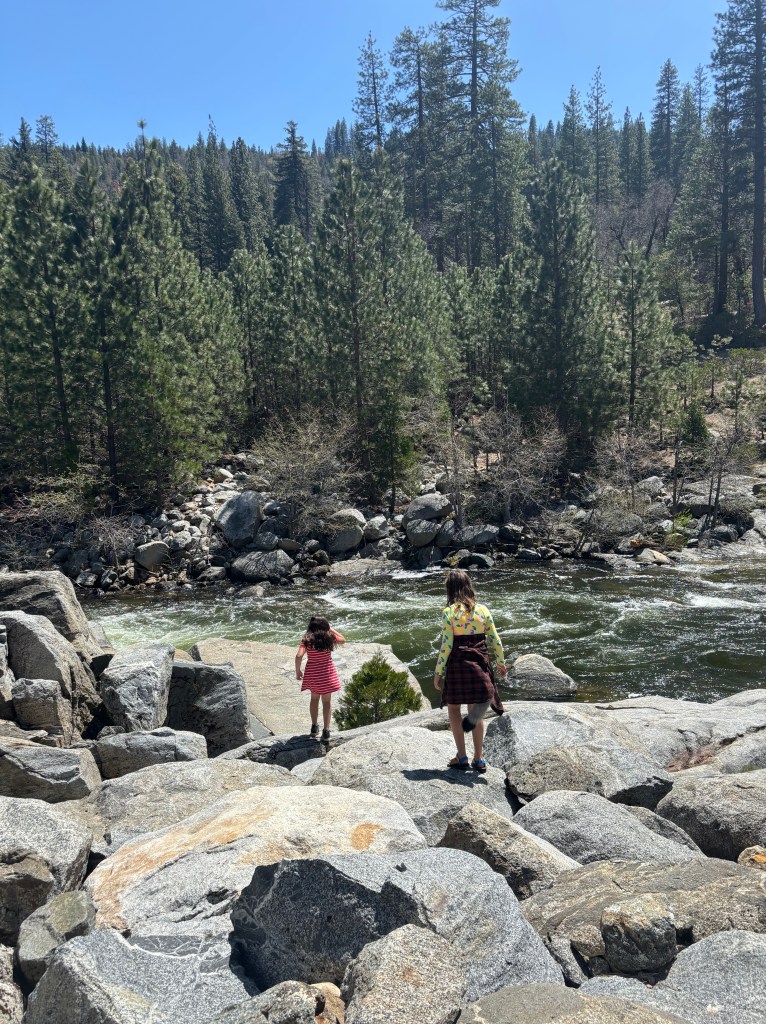
The photos I’ve included here are from my Heartwood Mindful Nature School and serve as examples of how you can give kids a jumping off point, and they’ll take it in their own directions as long as we give them the space to do so.

 The Mindful Naturalist
Leave a comment