
It’s easy to help our Pac NW native bees! Learn about our wild bees and build a nesting habitat with me!
Background:
Can you believe that the core temperature of a honey bee hive can be as high as 91℉ in winter? Honeybees have designated shiverers who disconnect their flight muscles and vibrate them to generate heat! These bees sacrifice flight and their own life for the sake of the hive. The familiar honey bee is actually not native to the United States, but originated around the Mediterranean and was domesticated for the production of honey. Honey bees were brought to America by European colonists, only reaching the West Coast in the 1860s. Unlike the highly social honey bee, our native bees usually live a solitary existence.
In the Pacific Northwest, over 600 species, or different types, of bees have been identified with an estimated 300 more awaiting formal description! Our native PacNW bees are familiar ones like the bumble bee, and maybe not so well-known like sweat bees, carpenter bees, leaf-cutter bees, or orchard bees.
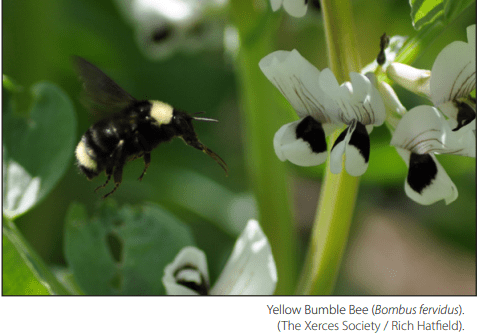
Bumble bees are the only social bees native to the Pacific Northwest and in spring they nest in cavities they upcycle from cavity nesting birds like woodpeckers or nuthatches or from rodents that burrow underground. In late summer, the queen starts to lay eggs that will hatch into males and new queens. These new queens leave the nest to mate and then find a small cavity just below or on the ground surface to hibernate over the winter months. The remaining bees, who have worked hard all summer, will naturally reach the end of their life cycle when the weather gets cold. The new queens find a new and cozy spot to hibernate for the winter in loose soil, leaf litter, woodpiles, rock walls or even garden sheds! To help provide these essential overwintering sites, you can leave the leaves and brush piles (at least in some portions of your yard) to simply supply access to some of the places bees like to hibernate. Know that leaf blowers can be particularly destructive to hibernating queen bumble bees.
A truly incredible one-and-a-half minute video of the Lapland Bumblebee over wintering can be found here: from BBC’s Frozen Planet II
Generally speaking, the other types of PacNW bees, which I’ll collectively call the solitary bees, live for about a year. These are the sweat bees, orchard bees, mason bees, leafcutter bees, and carpenter bees, to name a few! We only get to see the active adult stage of these bees in the spring, summer, or fall, but a lot is happening unseen in the winter time.
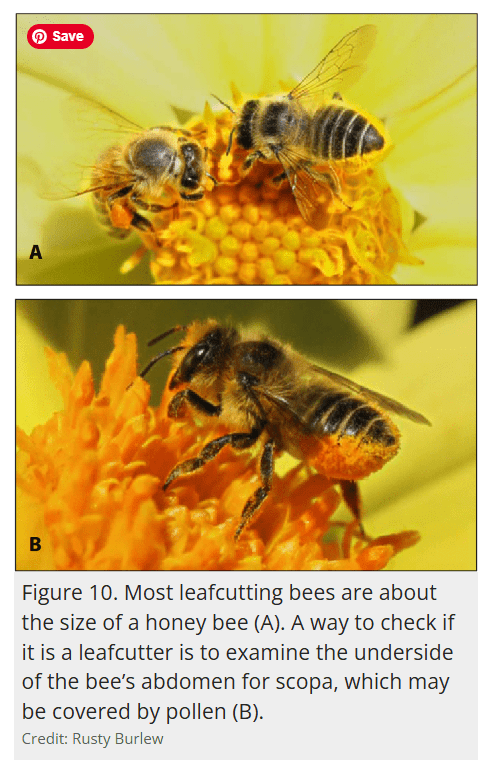
Photo from Megachilid bees in the Pacific Northwest: An introduction, Oregon State University
The adult stage only lasts about three to six weeks where each female is busy constructing and provisioning her own nest without any help from other members of her species. Our solitary wild bees either excavate nests in the ground or find hollow stems or twigs for their nests. Our rainy PacNW winters make the latter nesting strategy much more attractive, as plant stems are less likely to get flooded in winter. She builds a chamber for each of her eggs, leaving a ball of pollen with each egg so that the developing bee has something to eat over the winter as it grows. The adult bees reach the end of their life cycle after creating the next generation. These new, developing bees then spend the rest of the year hidden in their nest, growing through the egg, larval, and pupal stages.
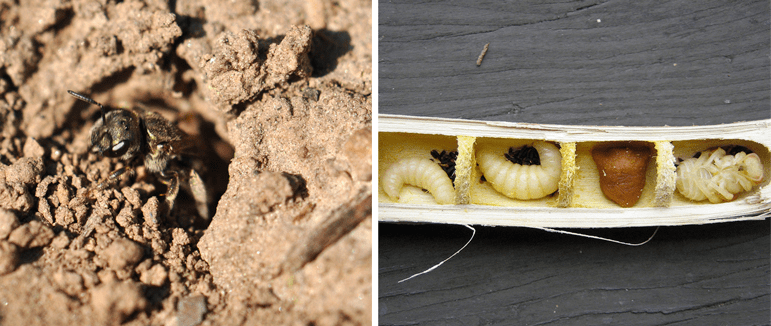
Many solitary bees are ground nesting, forming burrows in loose soil. Others are cavity nesting, forming brood chambers in hollow stems, holes in dead wood, or other materials. Photos: (left) Rich Hatfield, (right) Katharina Ullman. Image from Xerces Society https://www.xerces.org/endangered-species/wild-bees
Materials:
Choose PVC pipe with cap, or tin cans at least 5 inches deep, or a milk carton, and paper straws that are at least 3/32 inches in diameter and at least 5 to 6 inches long. Paper straws that you can buy online have options that are 0.31″ x 7.75″ which are perfect for the job. You can also use natural hollow reeds or stems that you may already have in your garden from plants like bee balm, raspberry, blackberry, honeysuckle, or asters for instance.

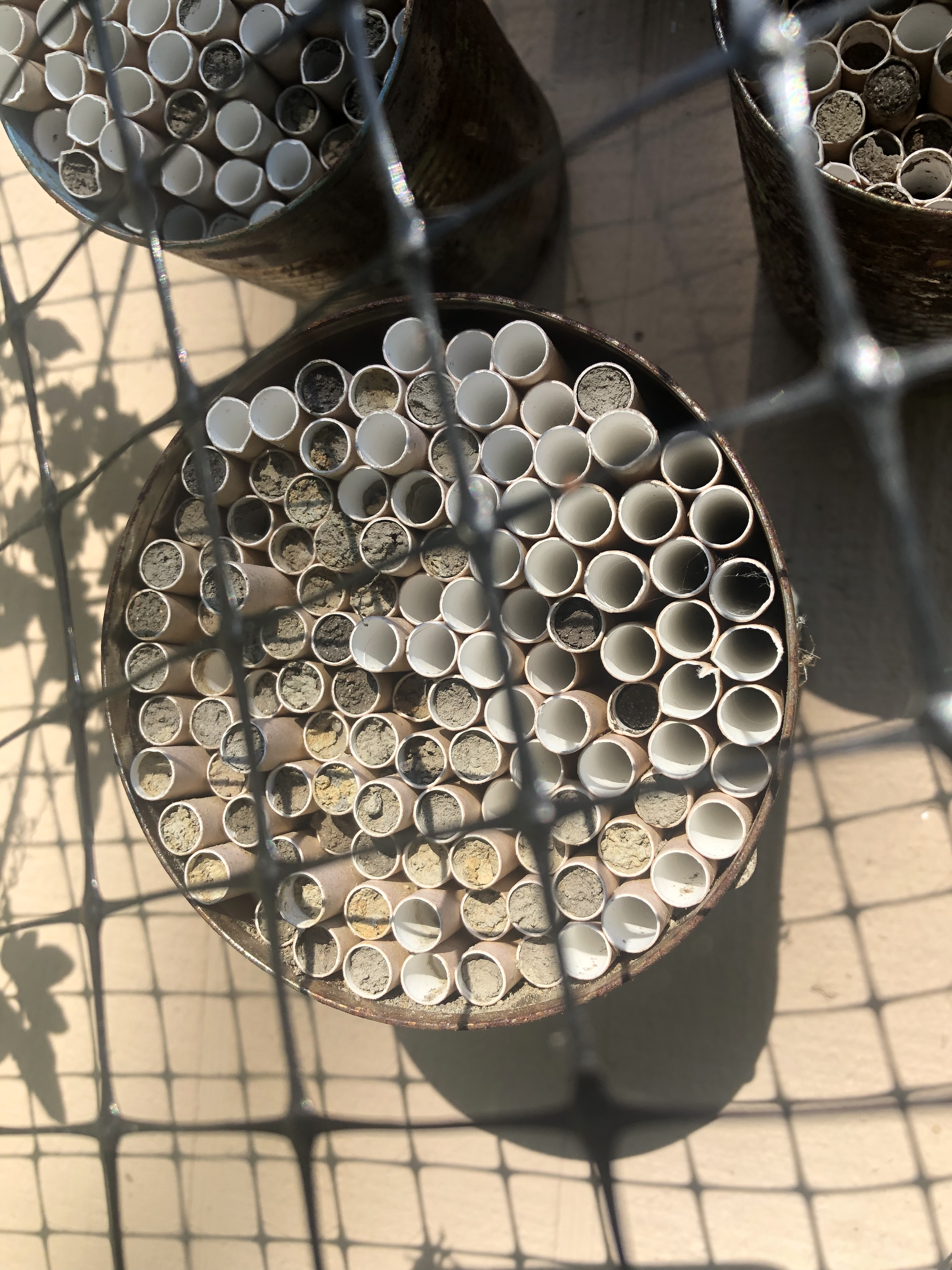

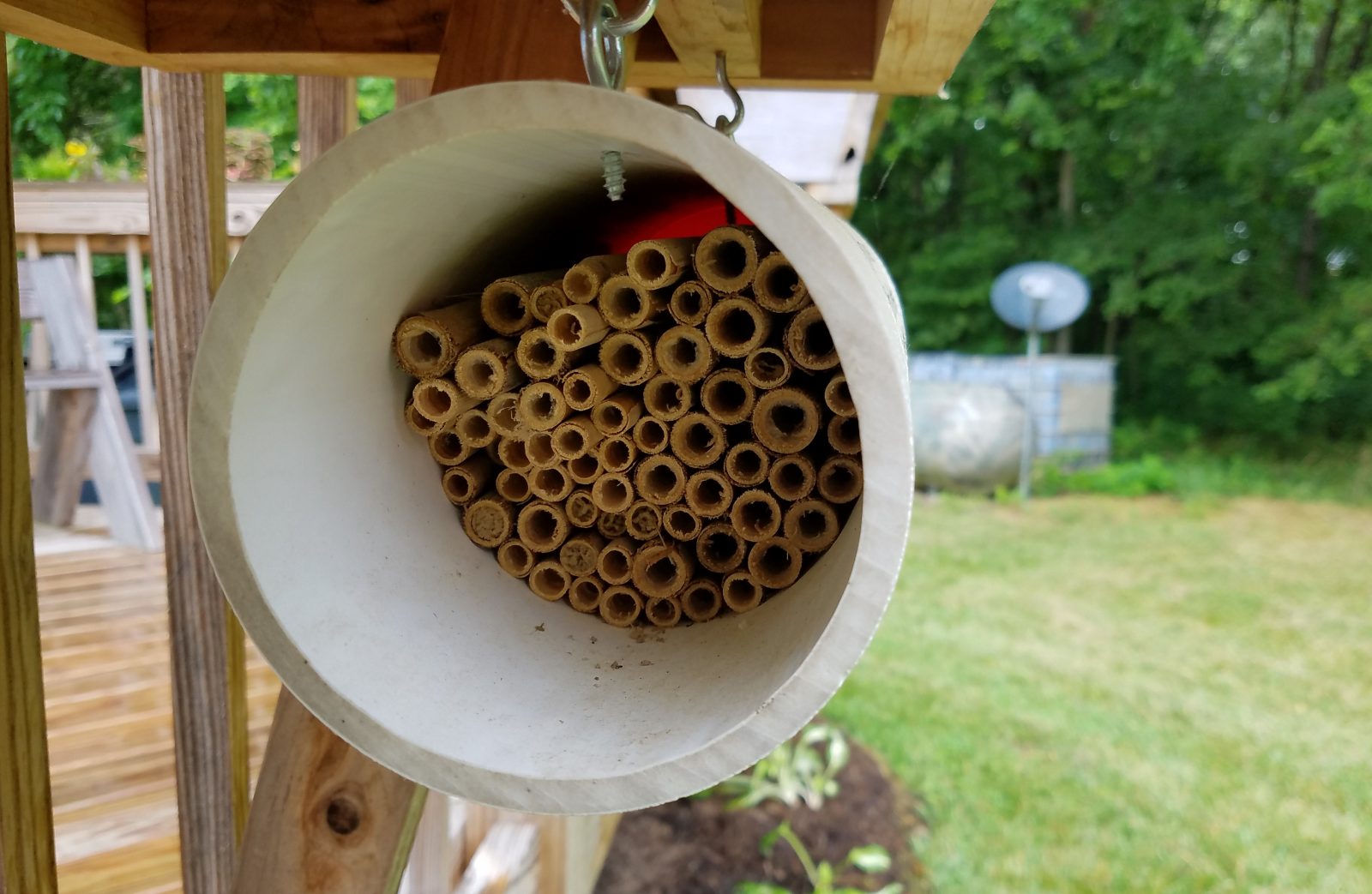
Clockwise left to right: 1 Milk carton bee nursery by Shirra at Get the Kids Outside https://getthekidsoutside.com/bee-hotels/ 2 & 3 Tin Can bee nurseries created by the author and mounted on my garden shed by drilling a hole in the back of the can and fixing it to my shed with wood screws. I added paper straws after installation and covered it with netting to keep the birds from eating the bees as they built their nests! 4 PVC bee nursery with natural reeds by Tim McCy for Virginia Tech
Activity: Build a Bee Hotel!
The native orchard mason bees will be hatching out and looking for nesting sites in early March during the PacNW’s apple, cherry, and plum blossom season. Let’s get ready for them by creating nesting habitat for them in a bee hotel. Bee “hotel” is really a misnomer, because the bees aren’t really short term residents – a Bee Nursery is a better name for this! Those baby bees will live there all year, growing over the winter, and emerging the following year around the same time their egg was laid.
Using either materials you have gathered from your recycling or purchased for creating the bee nursery, assemble your nursery using the pro-tips below.
Pro-tips:
- Choose a location with full morning sun.
- Ensure your bee nursery is firmly attached to a surface (not dangling from string).
- Protect the bee nursery from rain, moisture and wind. A sheltered area such as under an eave on your house or garden shed works well.
- Install your nursery 4-7 feet above ground.
- Make sure your location is within 100 to 200 yards of a pollen source and within 50 yards of a mud source.
- As bees emerge in spring, consider protecting the nest so the bees can get out but squirrels and birds can’t get in. For example hardware cloth can be affixed over the front of the nest to allow bees to safely emerge.
- Store the nest over the winter in an outbuilding that will get atmospheric temperatures. I like to remove the tubes and place them in a net bag (a large lingerie bag works well for this) and leave them in my shed after the bee activity dies down in the fall. In spring I unzip the bag and allow the bees to emerge outside.
- Make sure your habitat’s tubes are at least 5 to 6 inches long. This will ensure that the right ratio of males to females will emerge. Solitary bees do this cool trick of laying the male eggs closest to the opening so they will emerge first. The female eggs emerge after the males! If the tube is too short, then only females will hatch and there will be no males to mate with.
- The tubes should have diameters ranging from from 3/32 of an inch to 3/8 of an inch. I’ve had good luck with paper straws purchased online with dimensions of 0.31″ x 7.75″.
- Wait until your bees emerge each year and replace used tubes. (Cardboard or natural reed replacement tubes can be purchased online.)
- Bee smart! Don’t clear your leaf litter in fall! The bumblebee queens are hibernating there! Try not to clear any hollow plant stems when doing your fall garden maintenance. They may have solitary bee larvae growing inside them!
Extensions:
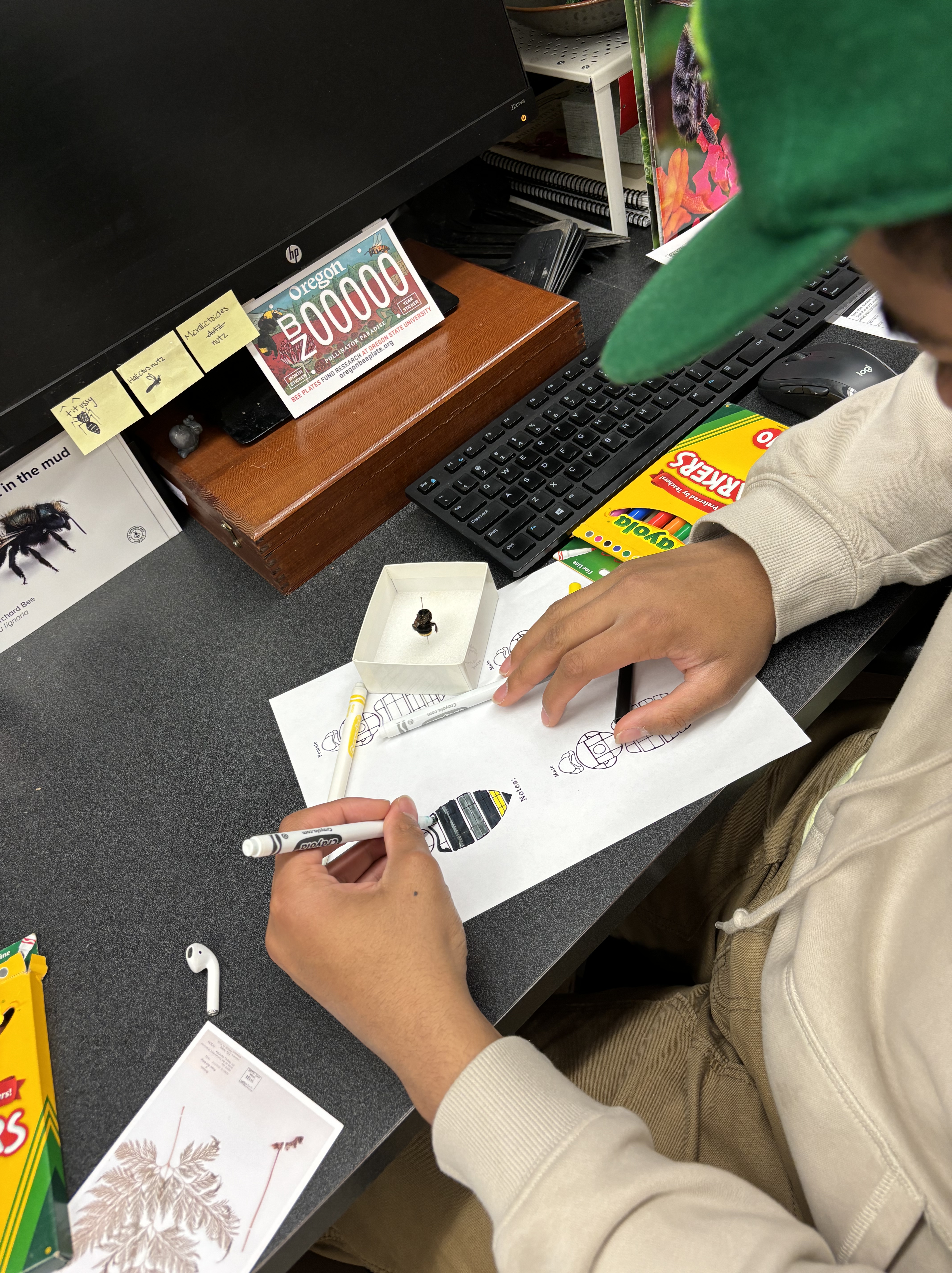
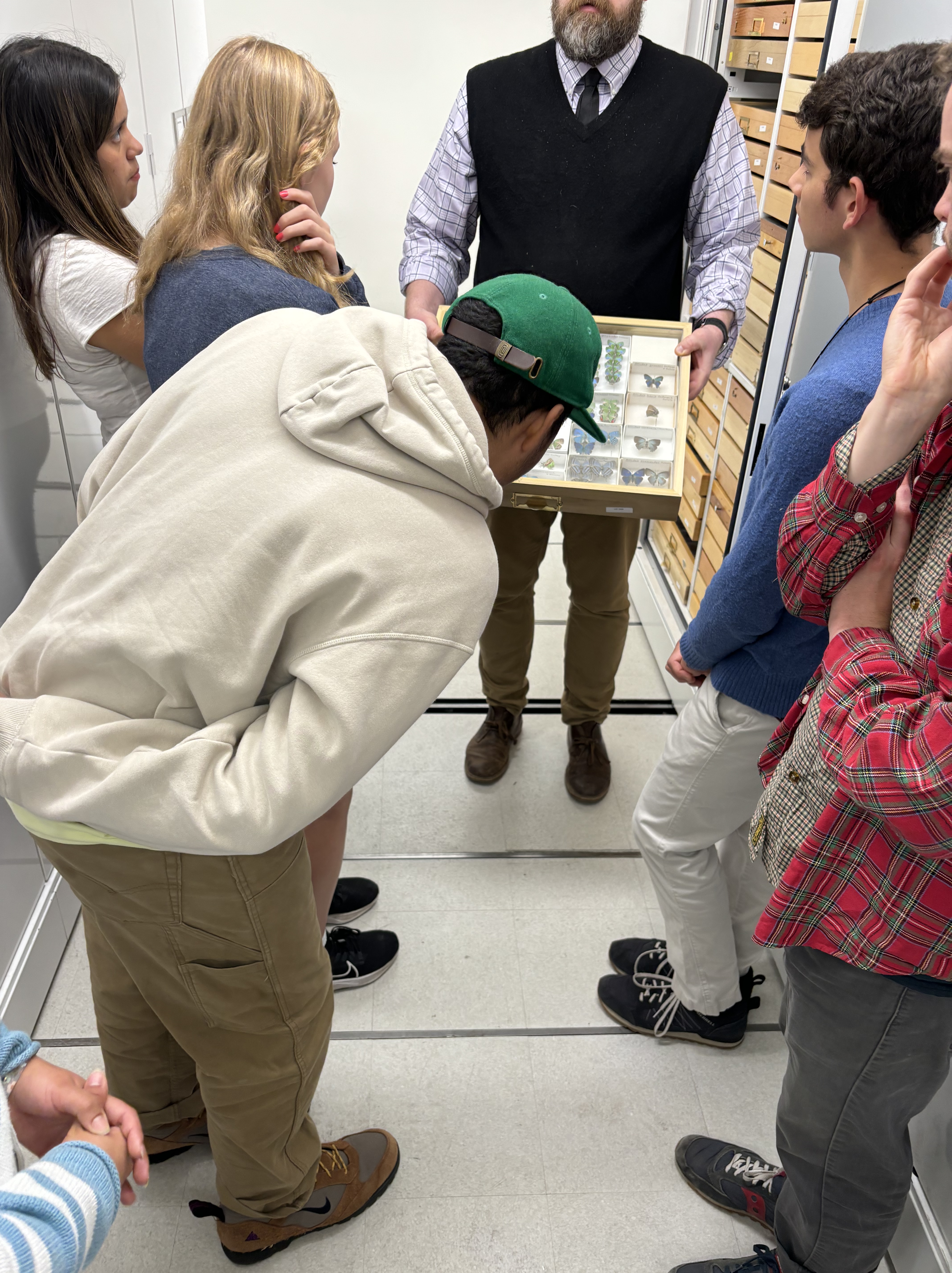
Ready to take a deep dive into the native bees of the Pacific Northwest? There are some incredible resources available for you! I want to shout out Oregon State University’s project, the Oregon Bee Atlas, as a cool example of citizen science contributing to a huge body of scientific knowledge. They use volunteers to gather data on iNaturalist (follow the link to see the list of PacNW bee species the Bee Atlas has collated) and then OSU’s scientists catalog and identify the bees found. I had the privilege of visiting them with a group of students a few years back and they were so enthusiastic and excited to share their program with us! The generosity of the OSU arthropod collection‘s curator was unmatched – we got to explore insects in their extensive collection from all over the world!

Here are some other resources to check out if you’re dying to know more!
Seven Native Bees to Know in Washington State from the Washington Native Bee Society
Bees 101: Fast Facts from the Snohomish Conservation District
Learn about conservation efforts with the Oregon Bee Project
Getting to Know Our Native Northwest Bees from the Washington Park Arboretum Foundation
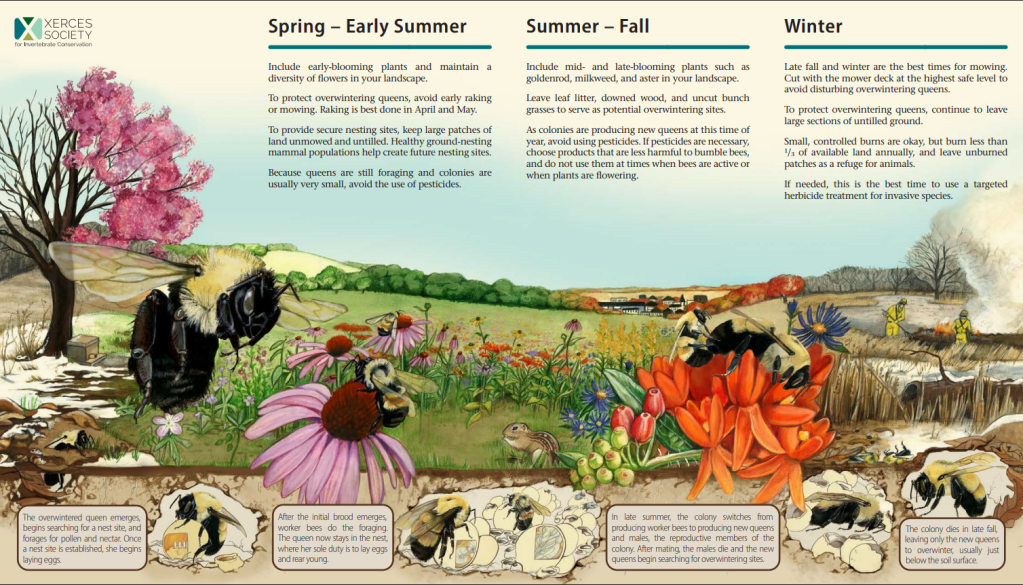
Learn more about what you can do to help Bumblebees from Xerces Society

 The Mindful Naturalist
Leave a comment