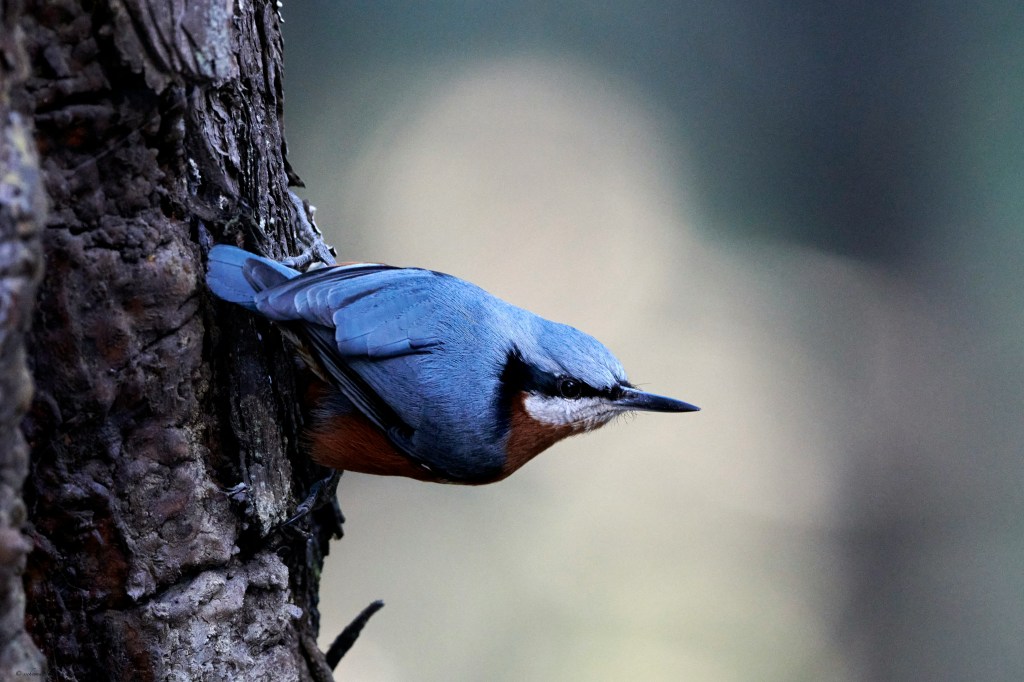
The Great Backyard Bird Count, Feb 13-16, 2026, is your chance to find out AND contribute to the one of the most important citizen science projects for bird biologists while you’re at it!
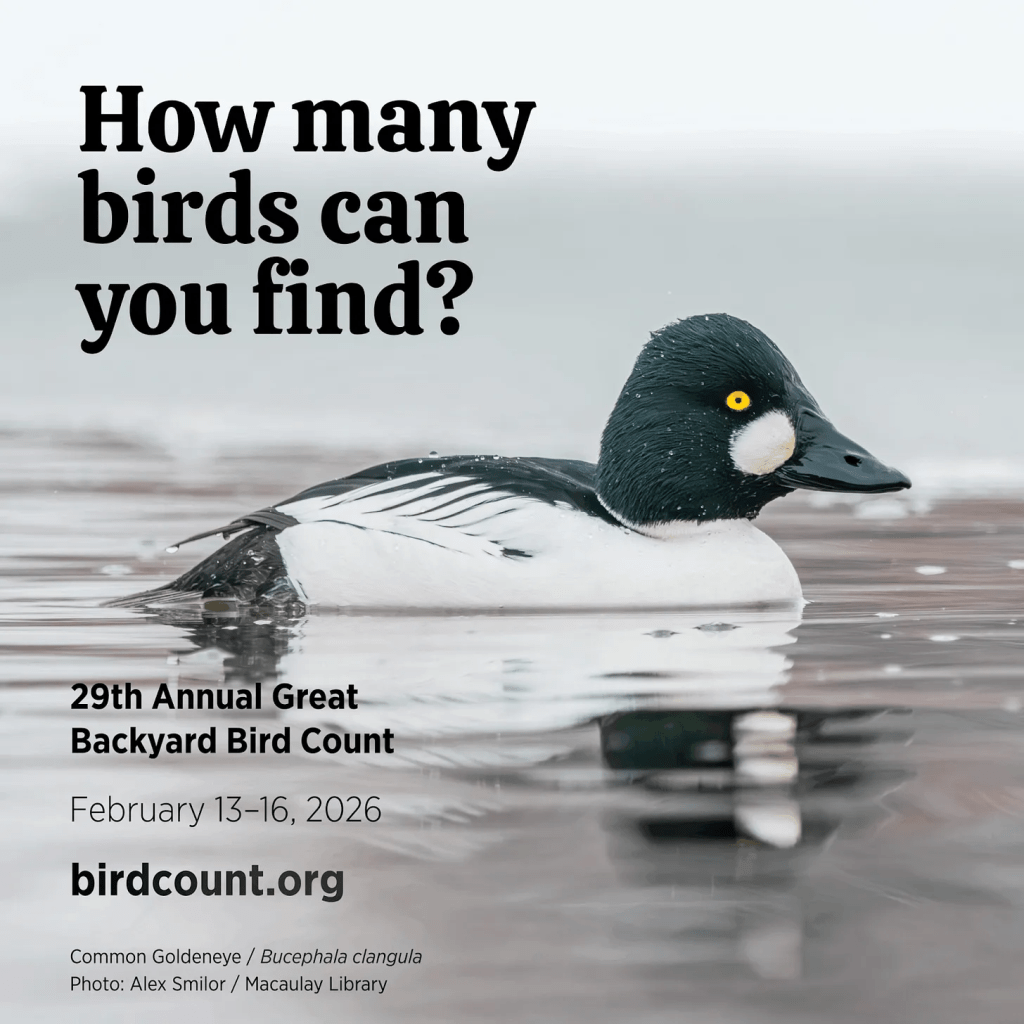
Have you ever wanted to contribute to real scientific research but weren’t sure where to start? The Great Backyard Bird Count offers a beautifully simple entry point. All it asks is that you spend at least 15 minutes on one or more of the count days noticing the birds around you, naming what kinds of birds you see. (I can help you with this! Keep reading!) That’s it. No special expertise or equipment required, just your attention and curiosity.
Held every February, the Great Backyard Bird Count (GBBC) takes place just before spring migration begins in much of the Northern Hemisphere, or the fall migration in much of the Southern Hemisphere. This timing is crucial. By recording bird sightings during this brief window, you can help scientists create a global “snapshot” of bird populations as the seasons shift (winter or summer, depending on your geography), before birds begin moving toward their breeding grounds. These data help researchers track changes in bird distribution, winter survival, and migration timing. These patterns are increasingly important to record in a rapidly changing climate.
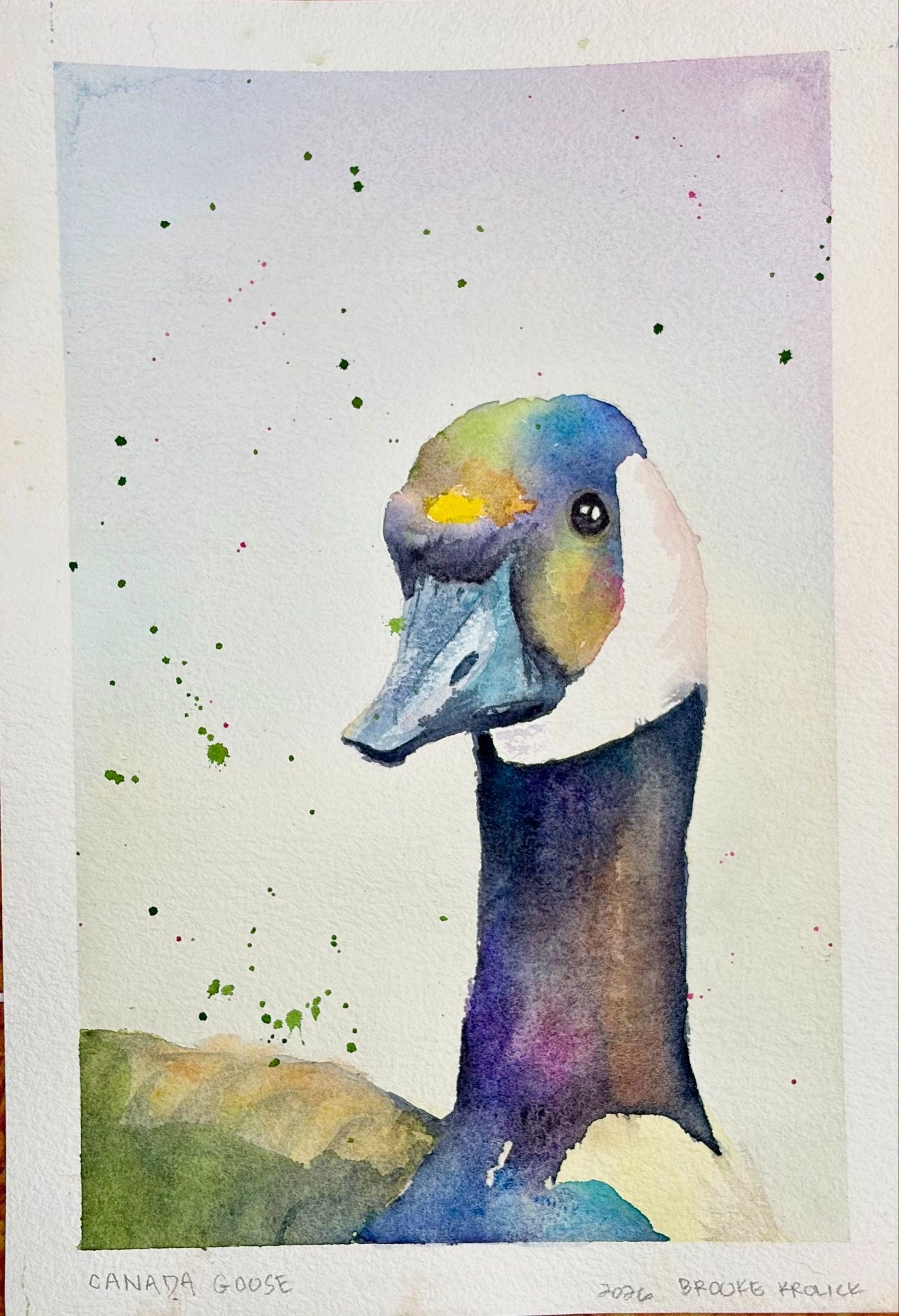
Canada goose watercolor by the author.
What makes the GBBC especially meaningful is its shared focus. For four days, people around the world are paying attention to the same thing at the same time! Millions of small moments of noticing, stitched together into a global picture of interconnectedness. As observations come in, you can watch them appear in real time on an interactive map, revealing where birds are being seen across continents and oceans. It’s a quiet reminder that spaces you inhabit are always part of something larger.
The Great Backyard Bird Count is a collaborative effort led by the Cornell Lab of Ornithology, the National Audubon Society, and Birds Canada. Participants can use tools like Merlin Bird ID—a magical app that helps identify birds by sight or sound that I’ll talk more about later—or eBird, the world’s largest biodiversity-related citizen science project. Whether you’re brand new to birding or have been keeping life lists for years, your observations matter.
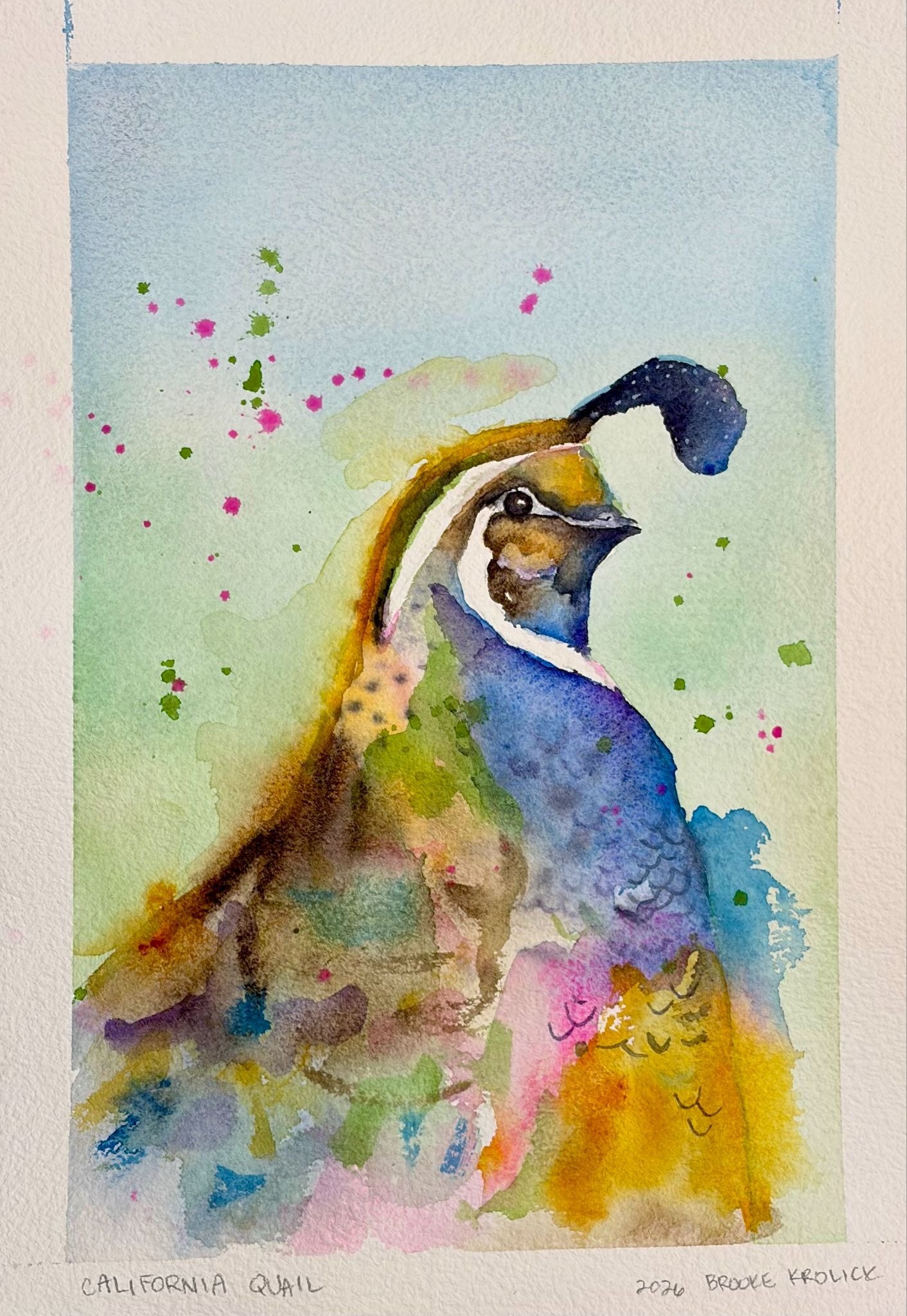
California quail watercolor by the author.
One of the things I love most about the GBBC is how flexible and welcoming it is. You can participate alone or with friends, with family or classmates. You can join an organized GBBC event in your community. You can go for a walk, sit in a park, or watch birds through a window if comfort, weather, or mobility are considerations. The only requirement is that you pause long enough to notice what’s already there.
Participating is easy:
Step 1: Decide where you will watch birds.
Step 2: Watch birds for at least 15 minutes on one or more of the four days (February 13-16, 2026).
Step 3: Identify the birds you see or hear and record your observations using the tool that fits you best.
If you’re new to bird identification, the Merlin Bird ID app is a wonderful place to start. This app blows my mind every time I use it! It has a sound recording feature that listens to the birds around you and shows real-time suggestions for who’s singing! You can then click on each of the suggestions to see photos of the bird and learn a bit about each bird. 5/5. Totally recommend. The best part is that you will log your data with the GBBC by hitting the “This is my bird!” button. That’s it. Job done. Find it at your app store on your phone.
If you’ve already got some birding skills and want to record numbers and checklists, you can use the eBird mobile app or website. If you can’t tell by my paintings, I’m a big bird nerd. But I’ll be using both resources, the Merlin app is magic when I’m stuck or encounter a tricky bird to identify like a sparrow or shorebirds, the Sound ID feature comes to my rescue.
The Great Backyard Bird Count is more than data collection. It’s an invitation to slow down, to pay attention, and to join a worldwide community of observers. From your backyard, a city sidewalk, or a quiet window seat, you can contribute to science while deepening your relationship with the living world right where you are.

 The Mindful Naturalist
Leave a comment