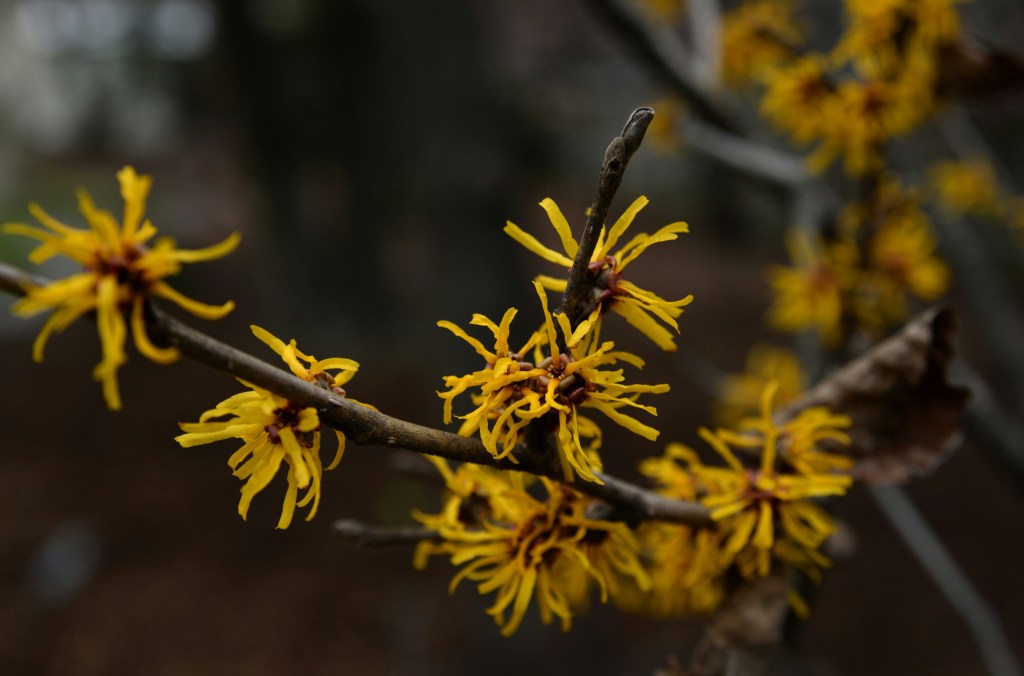
Imbolc is a Cross Quarter Day, the midpoint between the Winter Solstice and the Spring Equinox. Celebrated February 1st, it arrives when winter still has its grip, yet subtle signs of life are beginning to stir beneath the surface. The days are noticeably longer now, the light lingering just a bit more each afternoon, reminding us that spring is not a distant dream but something already unfolding. Where Yule celebrates the return of the sun, Imbolc celebrates its growing strength and the first whispers of renewal.
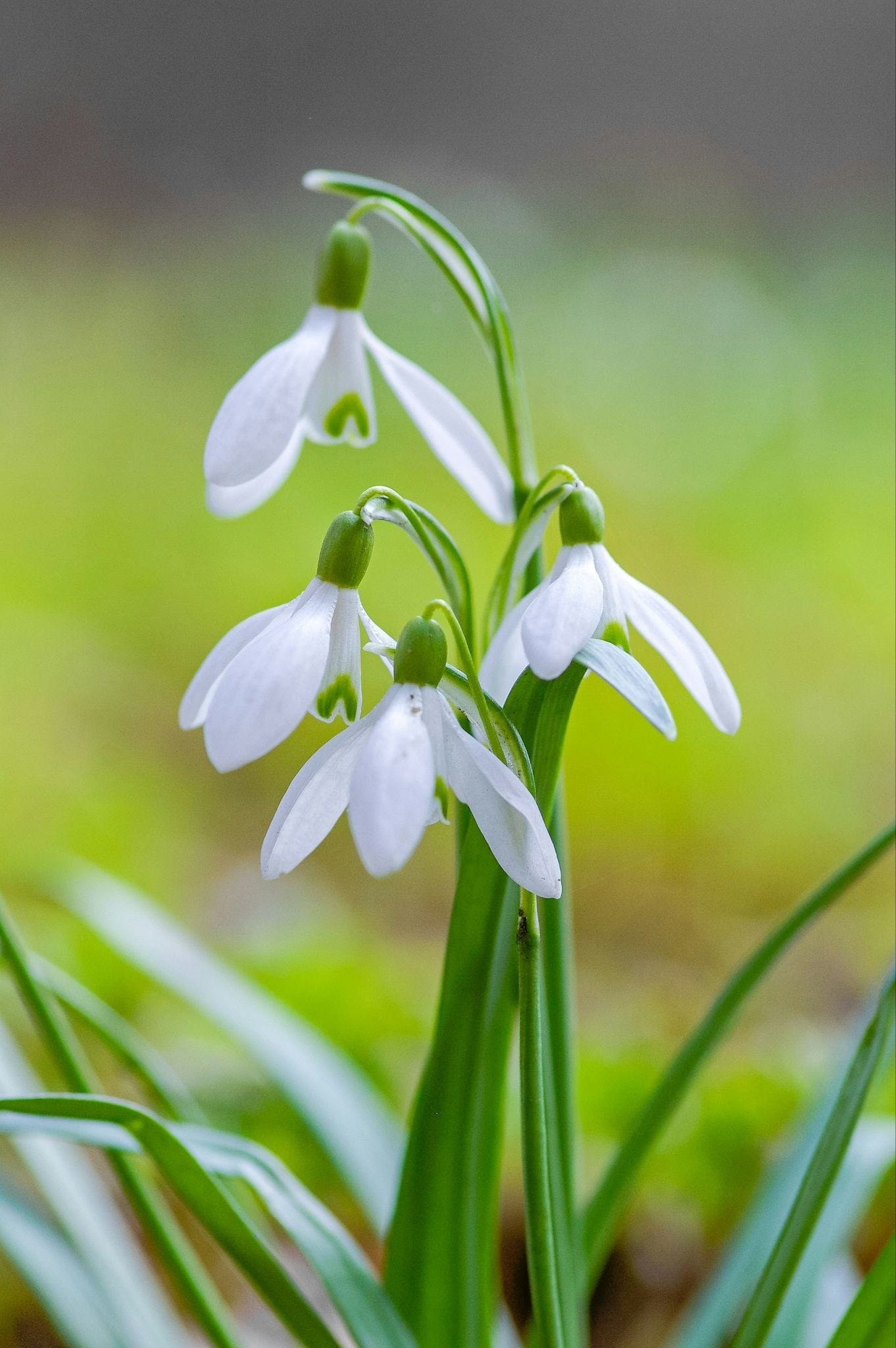
Snowdrops Image Yoksel Zok via Unsplash
In a season that can still feel heavy and slow, Imbolc invites us to pay attention. To notice the swelling buds on branches, the lengthening light, the way our own energy begins to shift after months of inwardness. It’s a softer celebration than many modern holidays, centered on nature’s early cues rather than big displays. That simplicity is part of what draws me to Imbolc. It asks us to slow down and listen closely to what is quietly coming alive.
I think of Imbolc as a time of gentle preparation. Not the bold, outward action of spring yet, but the internal readiness that makes growth possible. This is the season of tending the flame; checking in with our intentions, clearing space, and nurturing the small sparks of inspiration that were planted during winter’s rest. Just as the earth is preparing for growth, we are invited to do the same, patiently and with care.
There is a beautiful tension at Imbolc: winter is not over, yet its dominance is fading. We are still in the cold, but we are no longer in the depths of darkness. This in-between space holds a special kind of magic. It’s a reminder that transformation doesn’t happen all at once; it happens gradually, often invisibly, before it becomes obvious. Gathering with others at this time can help us honor that threshold together, sharing hopes, ideas, and intentions that are still tender and forming.
The name Imbolc is thought to come from Old Irish, often translated as “in the belly,” referencing the pregnancy of ewes and the hidden life growing within the earth. It’s closely associated with Brigid, a goddess of poetry, healing, fertility, and the hearth. These themes weave together beautifully; creativity, care, and the sacredness of tending what sustains us. Imbolc reminds us that even when growth isn’t yet visible, it is happening, and it deserves our attention and devotion.
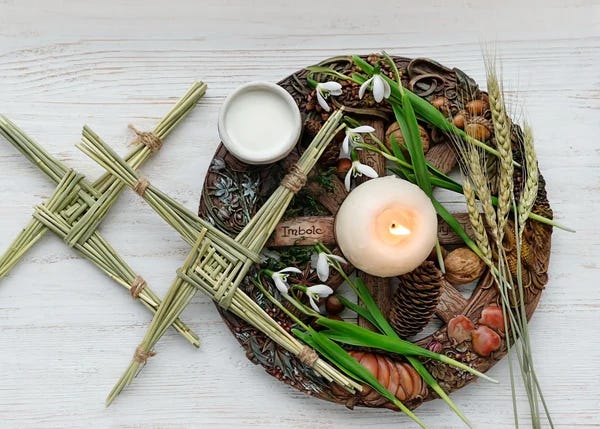
Image from Verdant Wild
To celebrate Imbolc with your friends and family, you can…
The Imbolc Vibe:
Decorate your space with candles—especially white, cream, soft yellow or pale greens—to symbolize purification and the strengthening light. Incorporate early-spring elements like snowdrops, crocus, or branches with buds just beginning to form. Bring in symbols of the hearth: bowls, blankets, warm textiles, and handmade items that emphasize comfort and care. A simple simmer pot of lemon slices, rosemary, bay leaves, and a touch of vanilla can gently brighten your space and awaken the senses.
Light the Hearth Flame:
Imbolc is deeply connected to the hearth and home. Light a candle (or several) with intention, focusing on what you want to nurture in the coming months. You might write intentions on small slips of paper and bury them in the soils of your houseplants or place them beneath the candle and speak them aloud as the flame is lit. This can be a quiet solo ritual or something shared with loved ones, each person naming what they are tending this season.
Cleanse and Clear:
Imbolc is traditionally a time of purification. Open windows if weather allows, sweep floors, tidy altars or shared spaces, and clear out what feels stagnant. This isn’t about perfection, it’s about making room. You can accompany this with music, incense, or simple mindfulness, treating everyday cleaning as a sacred act.
Imbolc is a Celebration of Renewal:
Wear light-colored clothing or soft textures that feel fresh and comforting. Keep things simple and intentional. This is less about sparkle and more about clarity. Honor the slow return of vitality.
Share a Simple Feast:
Enjoy warming, nourishing foods like fresh bread, butter, cheese, soups, or milk-based dishes traditionally associated with Imbolc. Herbal teas, honey, and early spring greens (if available) can round out a meal that feels grounding and hopeful.
Journal Prompts:
As the first signs of spring begin to emerge, what intentions are quietly forming within you? What needs tending, patience, or protection as it grows? How can you care for yourself and your home in ways that support what you hope to bring to life this year?
Imbolc Craft: Make a St. Brigid’s Cross
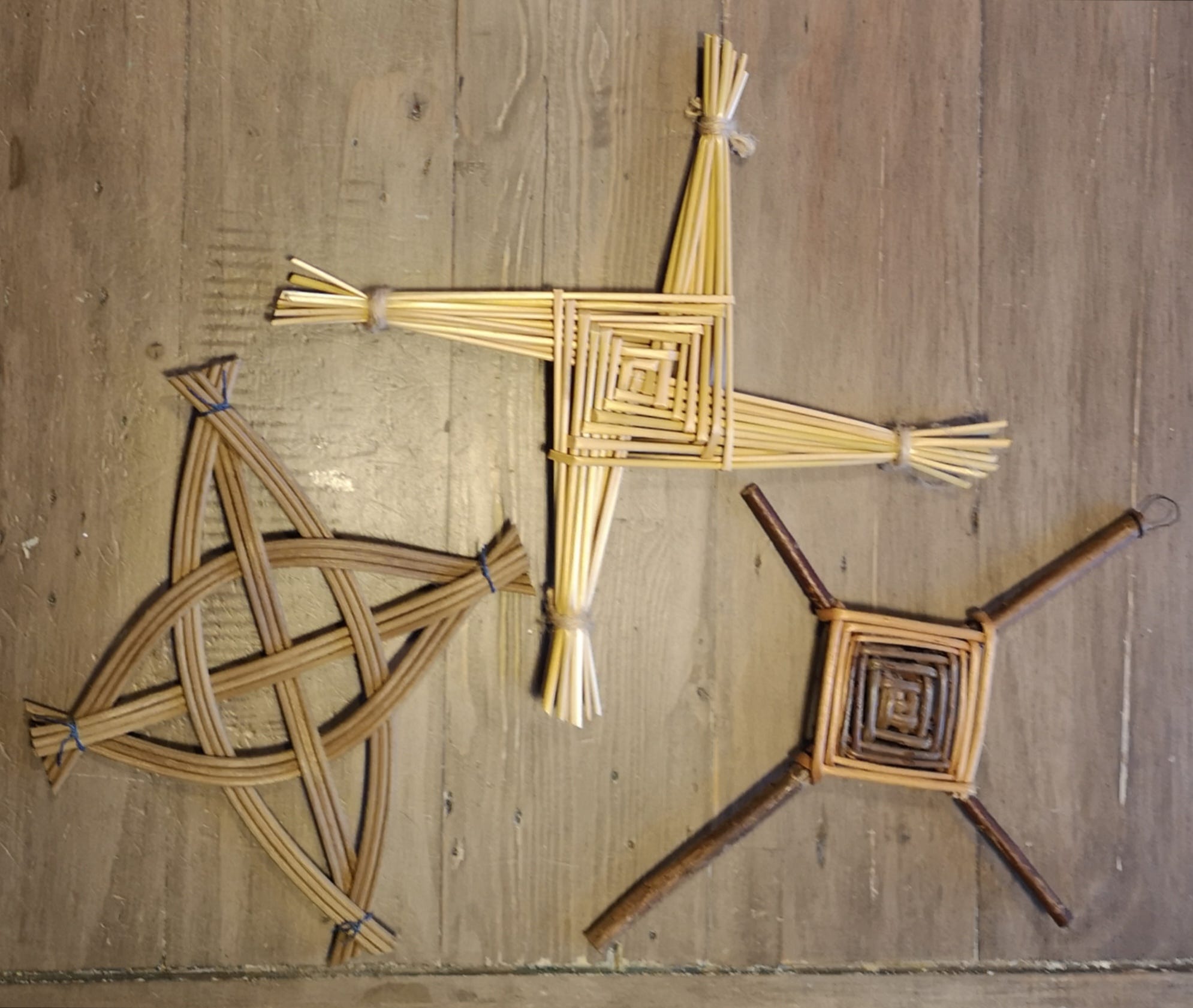
Image from the Galway City Museum
Traditionally woven from reeds or straw, a St Brigid’s Cross is hung in the home for protection and blessing. You can adapt this using dried grasses, paper strips, yarn, or even fabric scraps.
Materials:
Reeds, straw, paper strips, or yarn; scissors; string or twine.
You can follow this tutorial from Dublin’s National Botanical Gardens.
Fold and weave your materials into a simple cross or star shape, setting an intention as you work. Hang it near your hearth, kitchen, or front door as a symbol of protection, creativity, and a reminder of the life returning to the land.

 The Mindful Naturalist
Leave a comment